Short answer: yes — if you have a ducted swamp cooler in Aurora, it's almost certainly already sharing ducts with your furnace. That's the standard setup in 80011's ranches. The longer answer is worth knowing, because it explains the damper changeover, the winterization ritual, and why converting to central AC later is so straightforward in these houses.
On this page
How the shared-duct setup works
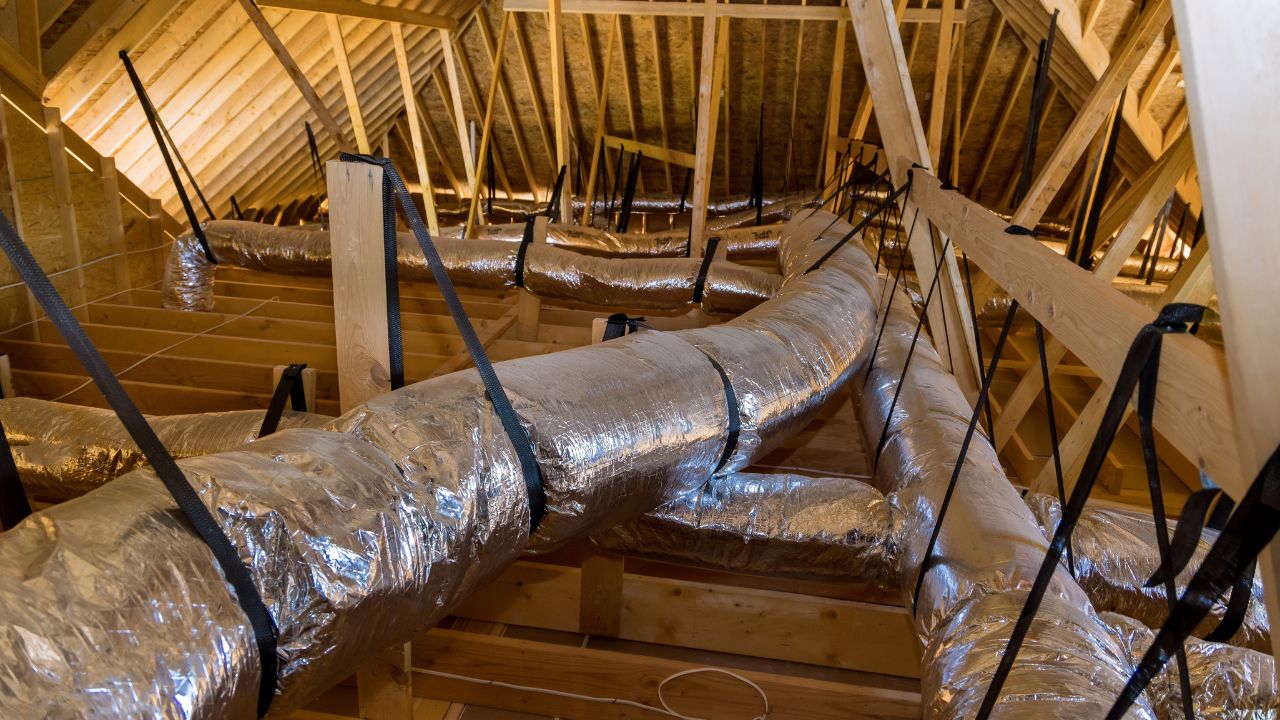
Your furnace sits in the middle of the duct system with a blower that moves air year-round. In winter, the furnace heats air and pushes it through the supply ducts. In summer, the swamp cooler — mounted on the roof or beside the house — pushes cooled air into the same supply plenum, and the same ducts distribute it.
The traffic cop is the damper: a metal plate (manual or motorized) that opens the cooler's path in summer and seals it in winter, while doing the reverse for the furnace. When the damper system works, each season's equipment gets exclusive use of the ducts. When it doesn't — stuck damper, missing damper, damper installed backwards (we've seen all three) — you get furnace heat leaking to the roof in winter or cooler air fighting the furnace in shoulder season.
The seasonal changeover, step by step
Every spring and fall, a shared-duct house needs a changeover:
Spring (cooler on): open the cooler damper, close/seal the furnace damper path, de-winterize the cooler (reconnect water, install fresh pads, test the pump), and confirm airflow at the registers. Many homeowners also close the furnace's gas valve? No — leave the gas alone; just switch the thermostat to cool.
Fall (furnace on): drain the cooler's water line and pan completely, disconnect power to the cooler, install the winter cover, close the cooler damper to seal the duct from the cold roof, and run the furnace through a full heat cycle to confirm the changeover.
Skip the fall drain and you'll discover why in January: a water-filled cooler on an Aurora roof becomes an ice block that cracks the pan and sometimes the supply duct. Winterization isn't optional here.
What goes wrong with shared ducts
The three classics:
- Leaky dampers. A damper that doesn't seal lets winter air pour down from the roof cooler into the duct system — the furnace runs longer, rooms near the cooler drop feel drafty, and heating bills climb. We find this constantly on fall tune-ups.
- Undersized returns. Cooler-era duct systems were sometimes designed for the cooler's high airflow, which is actually generous — but furnace retrofits with added AC coils can restrict flow. A static-pressure test during any conversion quote catches this.
- Attic duct damage. Decades of thermal cycling separate duct connections in hot attics. Every disconnected run is cooled or heated air dumped into the attic — pure waste, and it unbalances the whole house.
Why this makes AC conversion easy
Here's the payoff for knowing all this: converting from a swamp cooler to central AC in a shared-duct house is one of the simplest HVAC projects that exists. The ducts are already there and already sized for cooling airflow. The furnace blower already moves the air. The project adds a condenser outside, a coil at the furnace, a lineset, and electrical — no new ductwork, no tearing open walls.
It's the reason our conversion quotes in 80011 are so consistent: the houses were practically pre-plumbed for it in 1965. The damper gets permanently retired, the roof unit comes down, and the duct system finally has one job instead of two.
Damper maintenance: the forgotten twice-a-year task
The damper is a simple metal plate, and like all simple things it's ignored until it fails. Twice a year, during changeover, give it 60 seconds:
- Spring: verify it moves freely to the summer position and seats fully. A damper stuck halfway feeds both paths badly — weak cooling upstairs, wasted energy.
- Fall: verify it seals the cooler path completely. Hold a tissue near the duct seam with the furnace running — if it flutters, cold roof air is leaking in all winter.
- Lubricate the pivot points with a dry lubricant annually. WD-40 attracts dust; use graphite or silicone.
- Motorized dampers: confirm the actuator actually drives it — listen for the motor, watch the plate move. Failed actuators default to wherever they died, which is never where you want them.
Missing damper entirely? Some older installs never had one — just an open path to the roof. That's a winter energy hemorrhage worth fixing with a $150 damper install before you spend a dollar on anything else.
No ducts? The window-cooler homes
Not every Aurora home has the shared-duct setup — some older or smaller homes cool with window/wall evaporative units and heat with wall furnaces or baseboards, no ducts at all. For these homes, central AC means either new ductwork (expensive, invasive) or ductless mini-splits (usually the right answer — see our basement mini-split guide for the concept).
The decision framework is the same: price the mini-split install against the ductwork project, and factor in that mini-splits give you zone control the ducted house can't. Many ductless Aurora homes end up better cooled than their ducted neighbors — room-by-room control beats one thermostat for the whole ranch.
Thinking about retiring the swamp cooler?
Free conversion assessment: we'll check your ducts, dampers, and electrical and give you the real number.
Frequently asked questions
Do I need to do anything to the ducts when converting to AC?
Usually just verification: we test static pressure and inspect for disconnected or crushed runs. Minor duct sealing is common and cheap; full duct replacement is rare.
What happens to the damper after conversion?
It's removed or permanently sealed — one less moving part to fail. The duct system becomes single-purpose for the first time in the house's life.
Can I keep the swamp cooler as backup after installing AC?
Technically yes, practically no — maintaining two cooling systems doubles the maintenance for almost zero benefit. Every homeowner who's tried it abandons the cooler within two summers.
My house has no ducts — window cooler only. Can I still get central AC?
Yes, but it's a bigger project: either new ductwork or a ductless mini-split system. Mini-splits are often the better answer for ductless homes — see our basement mini-split guide for the concept.
Who do I call if the damper is broken — HVAC or a handyman?
HVAC. Damper position affects system static pressure and safety (a stuck damper can starve a furnace of combustion air in rare configurations). It's a quick tech visit, done right.
My damper is rusted stuck. Can it be freed or must it be replaced?
Sometimes freed with penetrating oil and patience; often the pivot is corroded beyond saving and replacement is the honest answer. A new manual damper installed runs [TBD] — cheap compared to a winter of heated air escaping to the roof.
PROUDLY SERVING AURORA, CO 80011