
Indoor air quality — Aurora, CO
Colorado air is brutally dry. Your house doesn't have to be.
HUMIDIFIERS TBD · PURIFIERS TBD · FILTRATION TBD
Winter indoor humidity in Aurora regularly drops to 15–20% — cracked skin, bloody noses, static shocks, and wood floors shrinking. Whole-home solutions tie into the system you already own.
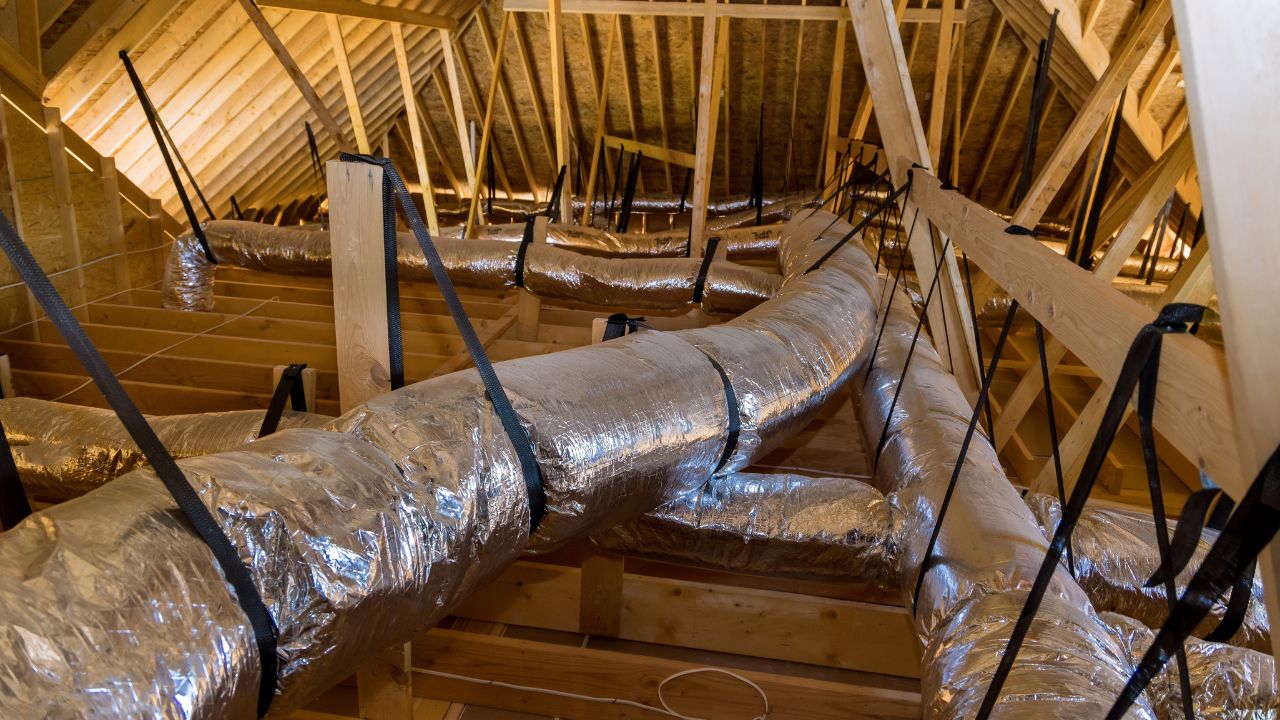
80011 · Oct 2026 — attic ductwork inspection
The solutions
Three problems, three fixes.
Whole-home humidifiers
Tied to your furnace, humidifying every room through the ducts you already have. Bypass, fan-powered, and steam models — sized to your home, not a showroom average.
Installed: TBD
Whole-home air purifiers
UV and polarized-media purifiers mounted in the ductwork — capturing dust, pollen, pet dander, and the wildfire smoke that finds its way inside every summer.
Installed: TBD
Upgraded filtration
4-inch media cabinets that outperform 1-inch filters for a year at a time — better capture, less airflow restriction, fewer filter changes to remember.
Installed: TBD
The dry-air problem
What 20% humidity does to a house.
High-altitude Colorado air holds little moisture to begin with; a gas furnace heating it drops relative humidity into the teens. The symptoms are the ones every Aurora homeowner knows:
- Cracked skin, dry sinuses, winter bloody noses
- Static shocks on every doorknob from November to March
- Wood floors and furniture shrinking and gapping
- Feeling cold at 72° — dry air feels colder, so you overheat the house
- More dust, more often — dry air keeps particles airborne longer
A whole-home humidifier holding 35–45% humidity fixes all five at once — and because humid air feels warmer, most homes drop the thermostat 1–2 degrees.
Ventilation too
ERVs: fresh air without the energy penalty.
Tighten a house up and you need controlled fresh air. Energy recovery ventilators (ERVs) bring in outside air while recovering heat and moisture from the exhaust — the right way to ventilate a Colorado home in winter.
- ERV installation: TBD — sized to your home's air changes
- Best paired with high-efficiency furnaces and sealed ducts
- Reduces window condensation and stale-air buildup
- We verify your home actually needs one before quoting — not every house does
1. Seal the ducts → 2. Upgrade filtration → 3. Add humidity → 4. Purify + ventilate. Each layer multiplies the last. Skip step 1 and you're treating symptoms.
Process
Four steps.
Assess
We test your indoor humidity, inspect filtration and duct condition, and ask about symptoms — allergies, dryness, dust.
Recommend
Written recommendation in priority order. If a simple filter upgrade solves 80% of it, that's what we recommend.
Install
Humidifier, purifier, or filtration tied into your existing system — usually a half-day install.
Verify
We measure the result: humidity readings, airflow verification, and settings you'll actually use.
FAQ
Air quality questions.
Why is the air in my Colorado home so dry?
High-altitude air holds little moisture, and heating it drops relative humidity into the teens. A whole-home humidifier tied to your furnace holds it at a comfortable 35–45% automatically.
How much does a whole-home humidifier cost?
TBD installed, depending on bypass, fan-powered, or steam models. We'll recommend based on your home's size and your furnace type.
Do air purifiers help with allergies?
Whole-home purifiers and upgraded filtration capture the particles that trigger symptoms. They work best with sealed ducts — leaky ductwork pulls in unfiltered attic and crawlspace air, which is why we assess ducts first.
Will a humidifier damage my house?
Not when set correctly — we target 35–45% and set the humidistat for Colorado winters. Over-humidifying causes window condensation; that's why proper setup matters more than the equipment.
Breathe like you live at sea level.
Free IAQ assessment with any tune-up — humidity readings, filtration check, duct look-over.